Rugged Law represents parents across Oregon who regularly face questions about how summer break affects child support obligations. When school ends, and children spend more time with one parent, it often creates confusion about whether payments should change during those months. These concerns are especially common in Portland and surrounding communities, where parenting schedules tend to shift during school breaks, vacations, and travel periods.
To discuss whether your order should change, talk to our Portland child support modification lawyers.
In most Oregon family law cases, child support does not automatically change just because parenting time shifts during the summer. The court’s focus remains on long-term financial stability for the child, not short-term seasonal changes. Even when a child spends several weeks with one parent, the existing support order typically remains in place unless a formal modification is approved.
Understanding how Oregon treats parenting time, support calculations, and temporary schedule changes can help parents avoid misunderstandings and unnecessary conflict.
Client
Reviews
How Oregon Child Support Is Structured Around Stability 
Oregon child support guidelines are designed to create consistency for children, even when family schedules are not consistent. Courts evaluate income, parenting time distribution, childcare costs, medical insurance, and other financial responsibilities when setting support amounts.
Once a child support order is issued, it is generally intended to remain stable over time. This stability is important because children rely on predictable financial support for housing, food, education, and daily needs. Even when parenting time changes temporarily, such as during summer break or holiday visits, the original calculation continues to guide payments.
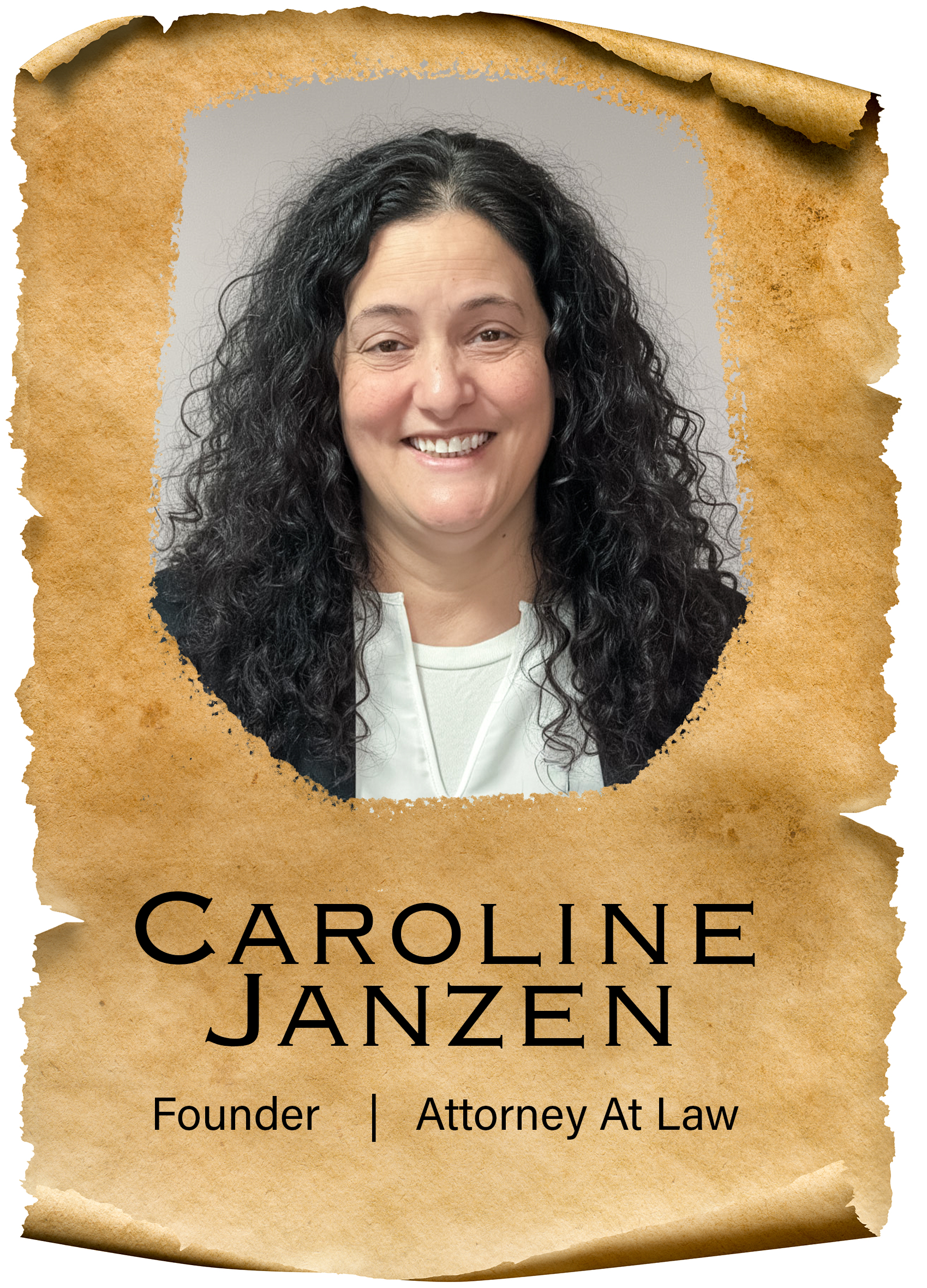
Rugged Law attorneys Caroline Janzen and Paul Janzen often explain to clients that the court prioritizes consistency over seasonal adjustments. This means that unless there is a meaningful long term change, the order remains enforceable as written.
Why Summer Break Does Not Automatically Change Child Support
A common misunderstanding is that increased parenting time during summer break automatically reduces or adjusts child support. In Oregon, this is not the case. Temporary changes in parenting time, even if they last several weeks, do not by themselves justify a change in support obligations.
The reason is simple. Child support is based on an annualized view of parenting time and income, not short term schedules. Courts recognize that summer arrangements often balance out over the course of a year. One parent may have more time in June and July, while the other may have more during the school year.
Because of this balancing effect, Oregon courts generally do not modify child support for seasonal or temporary adjustments unless the parenting plan itself is permanently changed or a significant financial shift occurs.
When Parenting Time Changes May Lead to Support Adjustments
Although summer break alone is not usually enough to change support, there are situations where parenting time changes can become part of a larger modification request. Courts may consider adjustments when there is a substantial and lasting change in circumstances.
This may include situations such as a permanent shift in custody arrangements, a significant change in either parent’s income, or a relocation that alters the parenting schedule long term. In those cases, child support may be recalculated based on updated information.
For example, if a parenting plan is modified so that a child resides primarily with the other parent year round, not just during summer months, then a new support calculation may be appropriate. The same applies if a parent experiences a major job loss or substantial income increase that affects the fairness of the existing order.
Parents who are unsure whether their situation qualifies often benefit from reviewing their circumstances under Oregon’s family law standards, particularly those related to child support obligations:
https://www.ruggedlaw.com/family-law/child-support.



The Role of Parenting Plans During Summer Break
Most Oregon parenting plans already anticipate that summer schedules will differ from the school year. These plans often include detailed provisions addressing vacation time, extended visits, travel notice requirements, and how holidays are shared between parents.
When parenting plans are clear and well structured, they help reduce conflict during summer months. However, when plans are outdated or vague, disagreements often arise about pick up times, travel permissions, or how long a child should stay with each parent.
In many cases, reviewing and updating the parenting plan is just as important as reviewing child support. These two elements are closely connected, and inconsistencies between them can lead to confusion.
Parents who need clarity about custody schedules and parenting time arrangements can review Oregon guidelines here:
https://www.ruggedlaw.com/family-law/child-custody-and-visitation.
How Courts Evaluate Temporary vs Permanent Changes
Oregon courts draw a clear distinction between temporary schedule changes and permanent modifications. Summer break is considered a temporary shift in most cases, even if it lasts several weeks. Because of this, courts are reluctant to modify child support based solely on summer parenting time.
Judges generally look for long term stability when deciding whether to adjust support orders. They also consider whether modifying support would create unnecessary financial disruption for the child or either parent. The goal is to avoid frequent recalculations that could lead to instability or ongoing disputes.
Courts also recognize that parenting time often balances out across the year. A parent who has reduced time during the school year may already have that accounted for in the original support calculation.
Can Parents Make Private Summer Adjustments?
Some parents consider making informal agreements to adjust child support during summer months when parenting time shifts significantly. While this may seem practical, it is important to understand that only court approved modifications are legally enforceable.
If parents agree privately to reduce or change payments without court approval, the official order still applies. This means that either parent could later seek enforcement based on the original amount, even if informal changes were made.
In some cases, parents are able to reach structured agreements that reflect seasonal changes, but these should always be reviewed and approved by the court to avoid future disputes. Legal guidance can help ensure that any agreement aligns with Oregon law and does not create unintended consequences.
The Connection Between Child Support and Spousal Support
In some Oregon family law cases, summer parenting time discussions overlap with broader financial issues such as spousal support. When families are adjusting to post divorce financial arrangements, changes in income, housing, or parenting time can affect multiple areas of support obligations.
Spousal support is evaluated separately from child support, but both may be influenced by changes in financial circumstances. If one parent’s financial situation changes significantly, it may be appropriate to review both forms of support together.
More information about spousal support considerations in Oregon can be found here:
https://www.ruggedlaw.com/family-law/alimony-and-spousal-support.
Why Summer Break Often Leads to Misunderstandings
Summer break creates a unique set of expectations for parents. One parent may assume that increased time with the child should reduce financial obligations, while the other expects payments to remain unchanged. These misunderstandings often stem from a lack of clarity in the original parenting plan or uncertainty about how Oregon law applies.
Without clear legal guidance, these assumptions can lead to frustration or disputes that escalate unnecessarily. The best way to avoid this is to understand that Oregon courts prioritize consistency and long term planning over seasonal adjustments.
When to Consider a Legal Review
Parents should consider reviewing their child support arrangement if they experience ongoing or significant changes that extend beyond summer break. This includes changes in income, employment status, living arrangements, or long term custody schedules.
A legal review can help determine whether a modification is appropriate or whether the current order still reflects the child’s needs and both parents’ financial circumstances.
For many families, even a brief consultation can provide clarity and prevent future conflict.
Summer break does not automatically change child support in Oregon, but it does highlight the importance of having clear parenting plans and stable financial arrangements. Most existing orders remain in place unless there is a formal modification supported by a significant change in circumstances.
Parents who anticipate ongoing changes in parenting time or financial conditions should take a proactive approach to reviewing their arrangements. Doing so helps reduce misunderstandings and ensures that both parents remain aligned with the child’s best interests.
Rugged Law provides guidance to parents across Oregon who are navigating child support, parenting time, and related family law matters. To learn more or schedule a confidential consultation, visit:
https://www.ruggedlaw.com/contact
Disclaimer:
This content is for informational purposes only and is not legal advice. Consult an attorney about your specific situation.